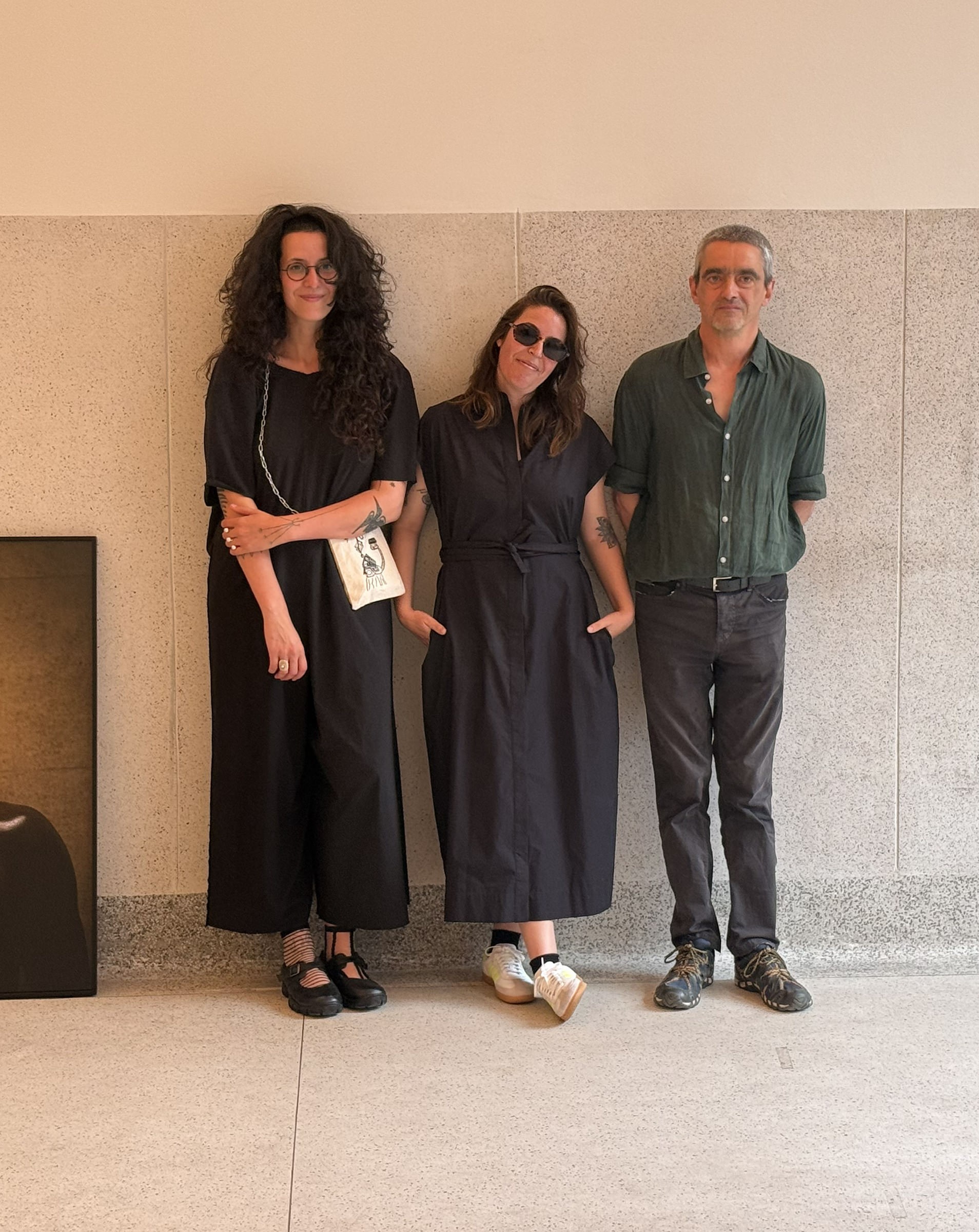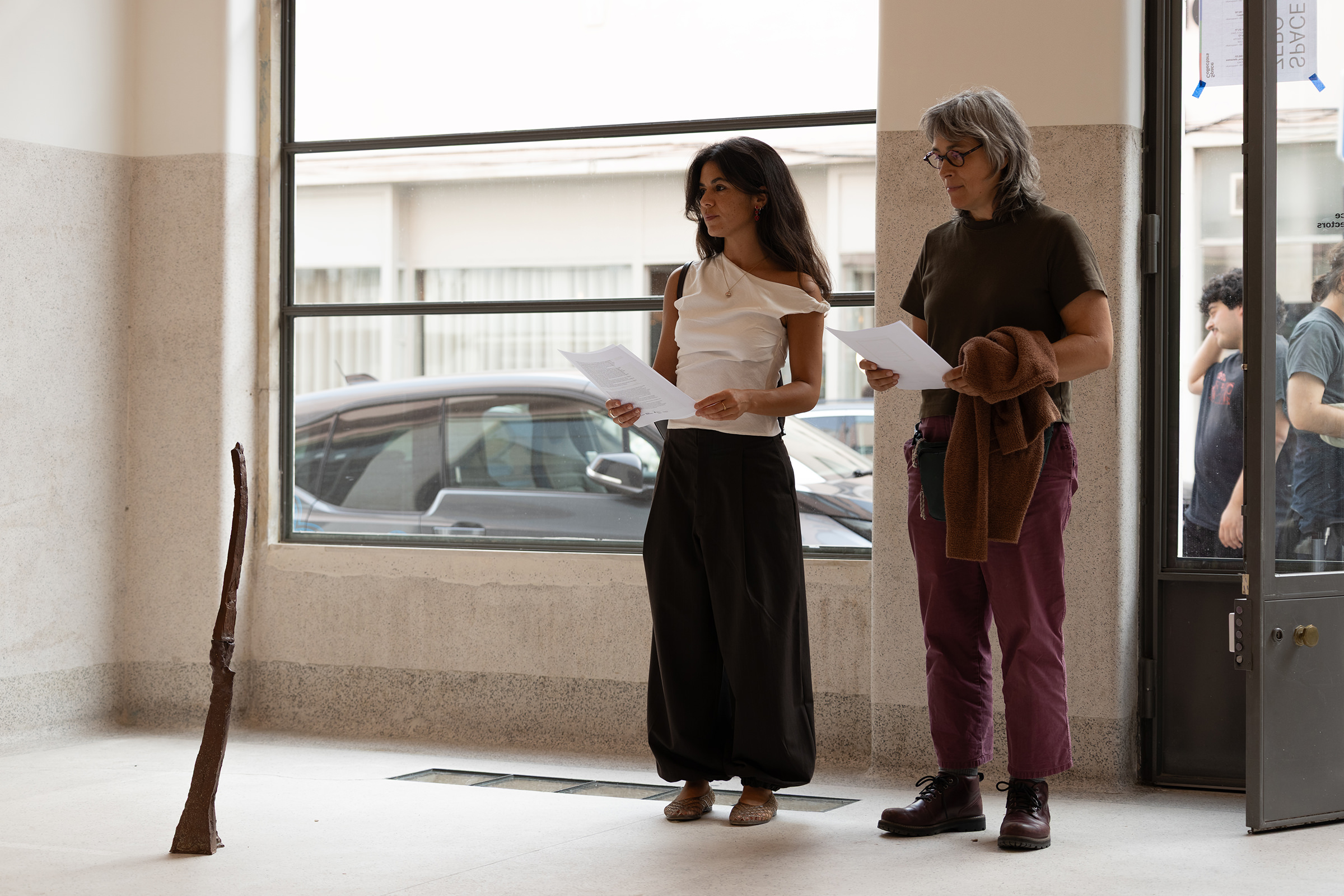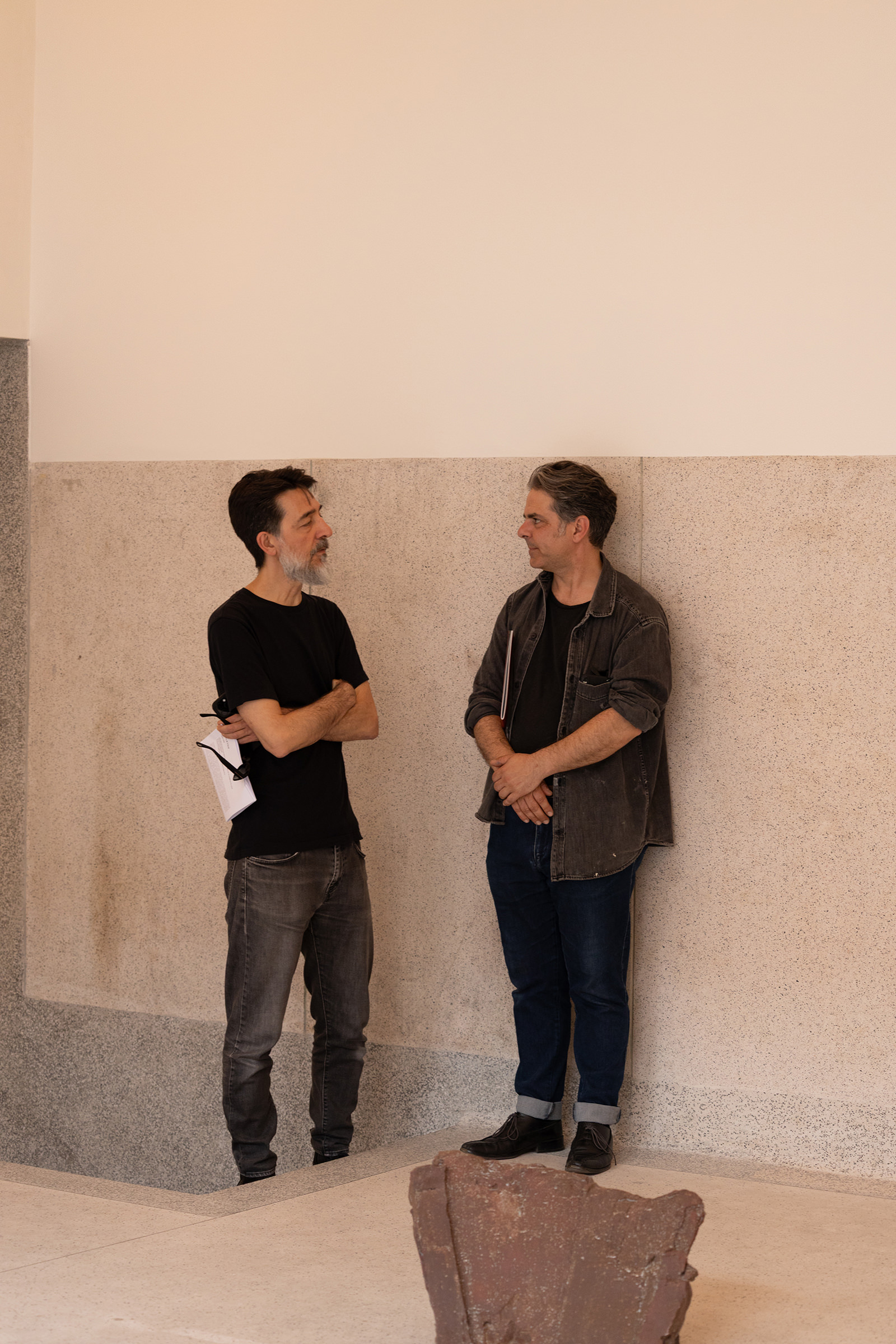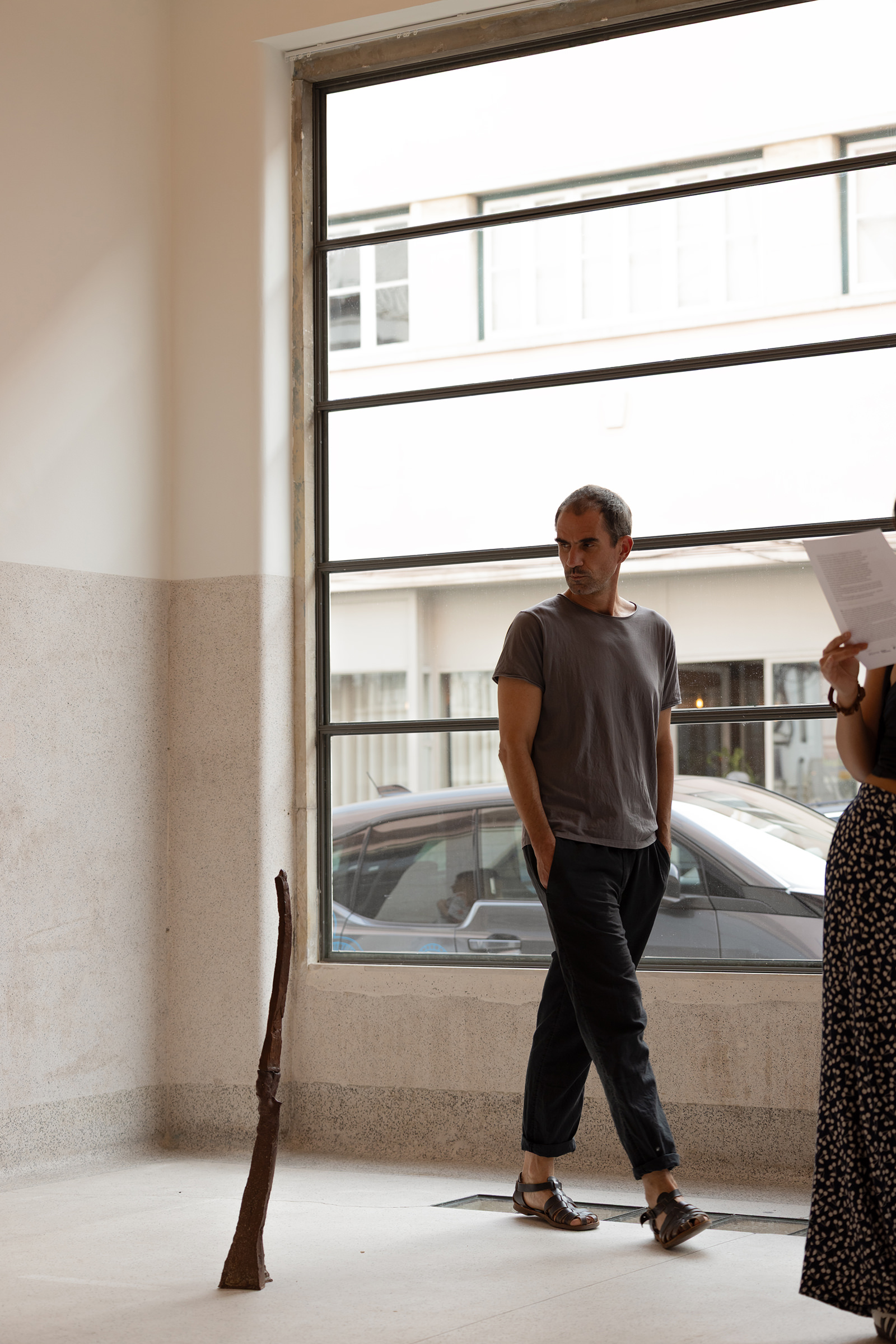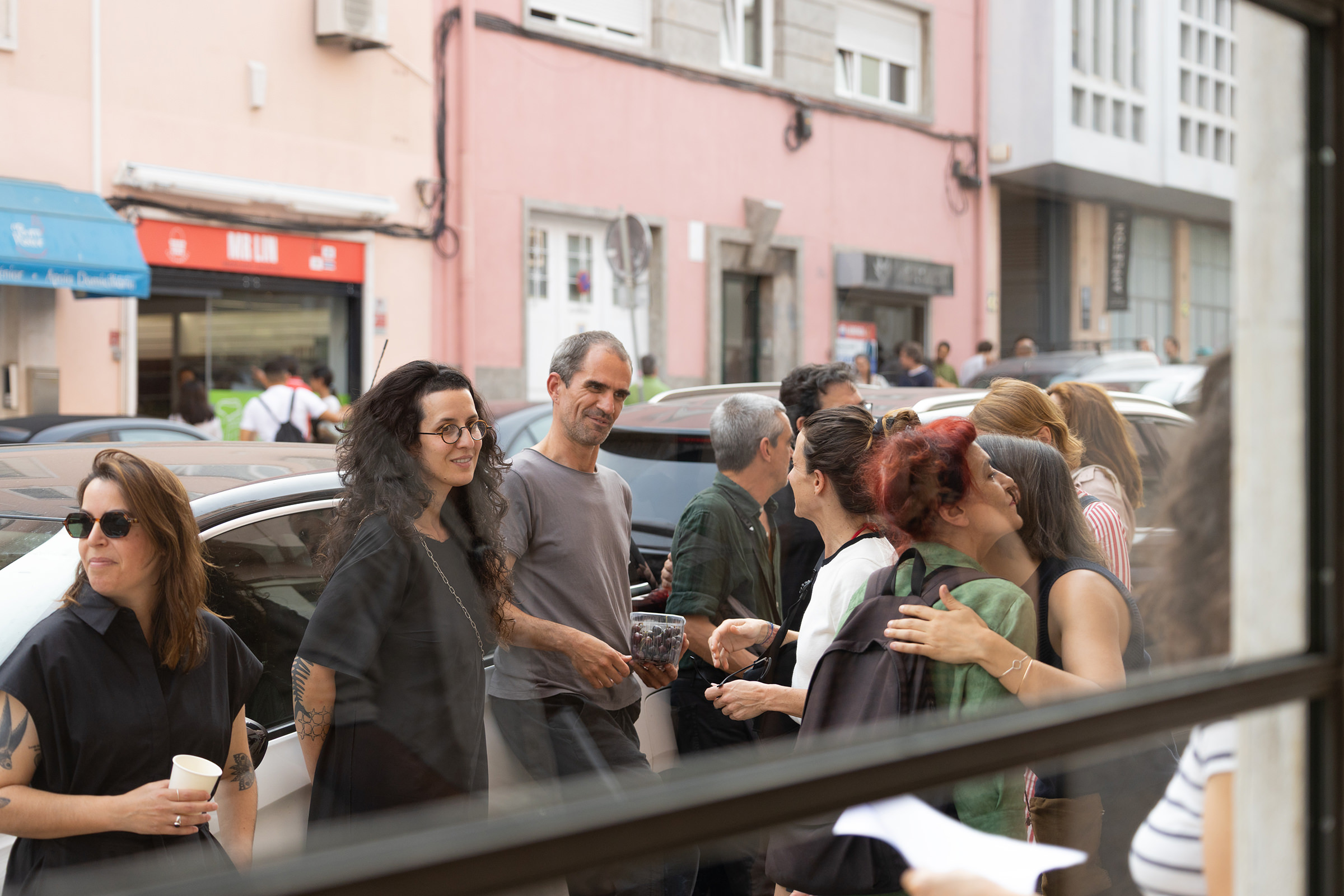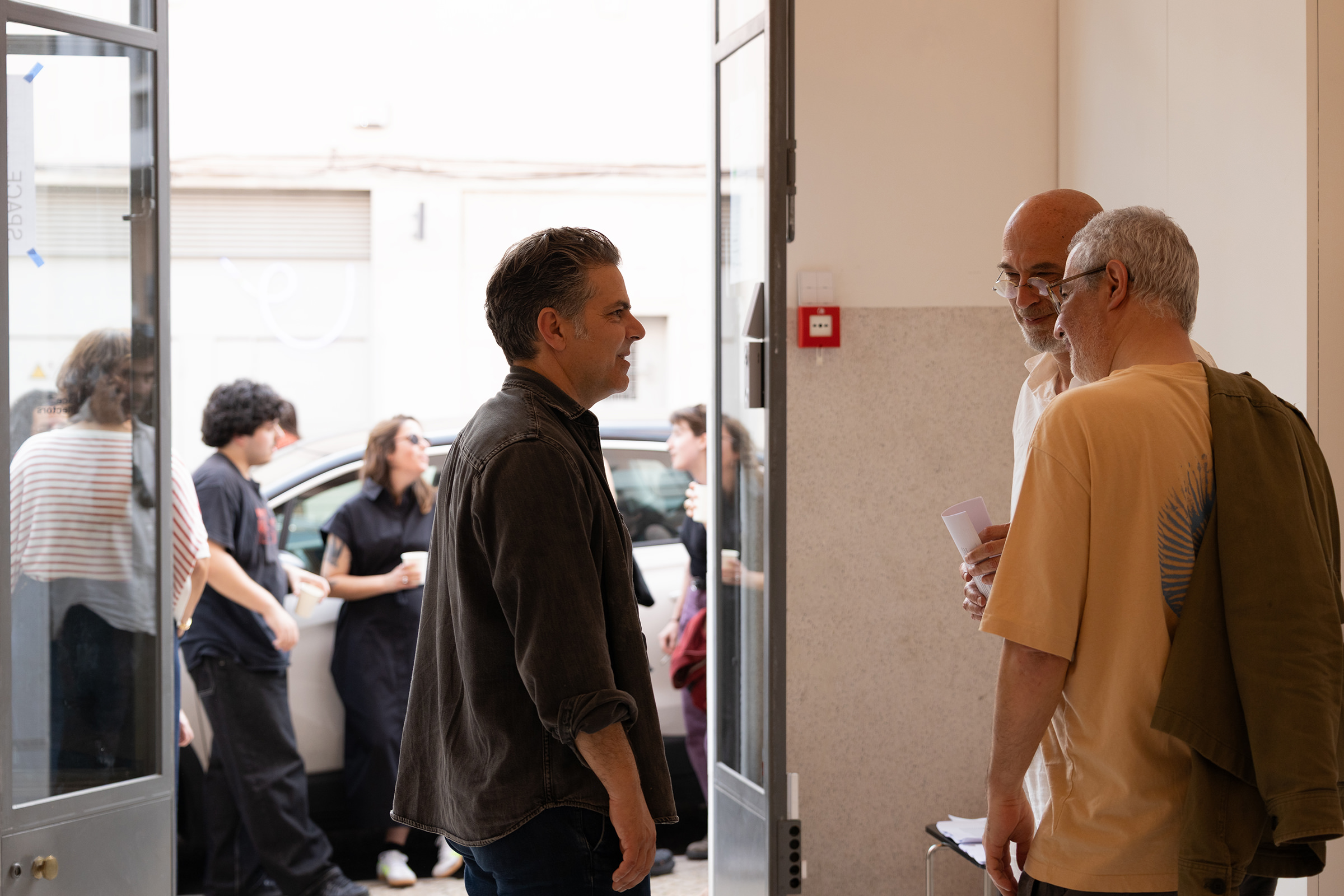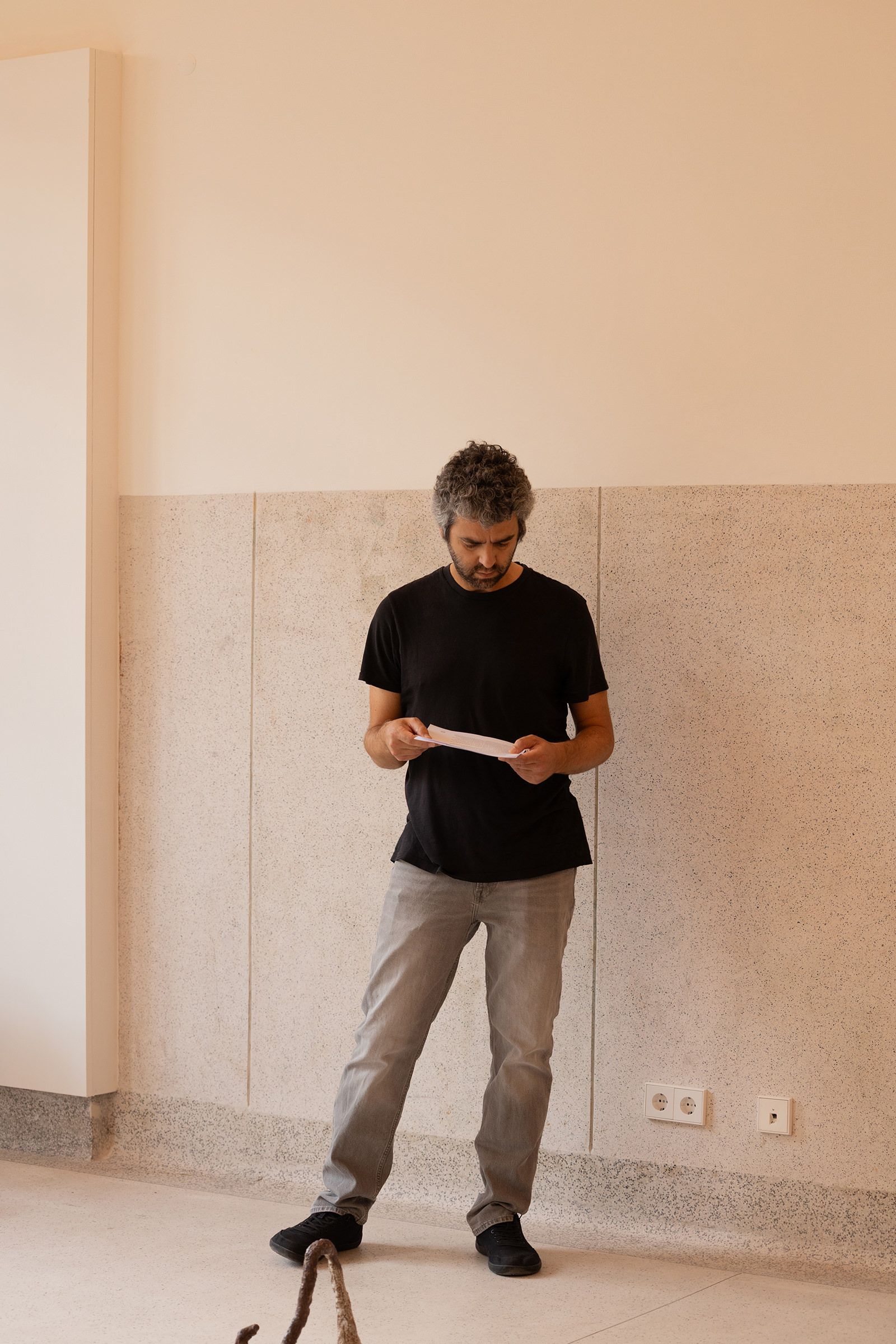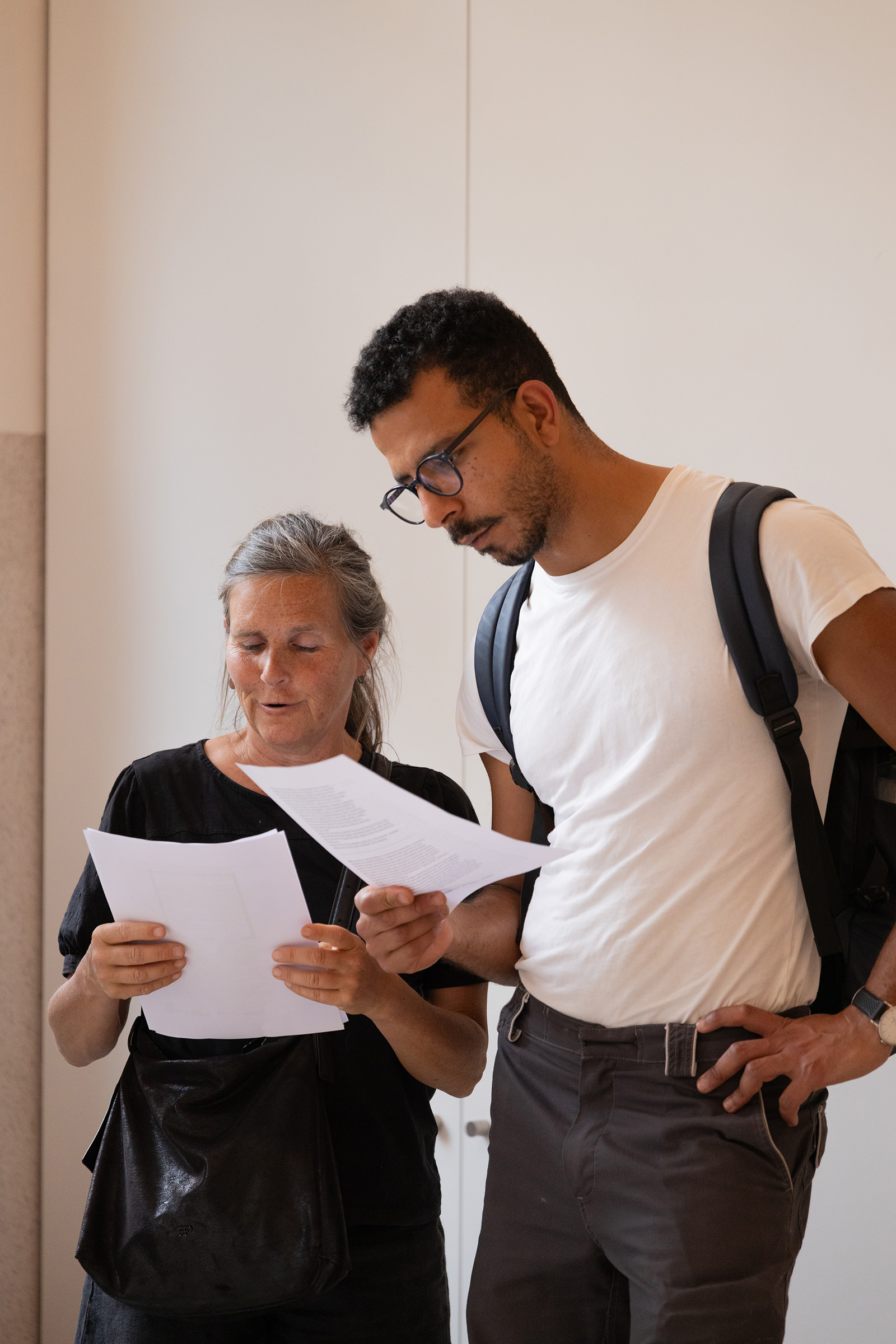
Dobra is a partnership with Appleton, curated by Rita Baleia, that explores the dialogue between two artists, visual culture and materiality.
The first edition, Dobra #1, presents PESO, bringing together works by photographer António Júlio Duarte and artist Manuela Falcão in a dialogue that opens up new readings and narratives across both practices.
There is a moment before form becomes discourse. A moment in which the image is not yet narrative and the object has not yet become a sign.
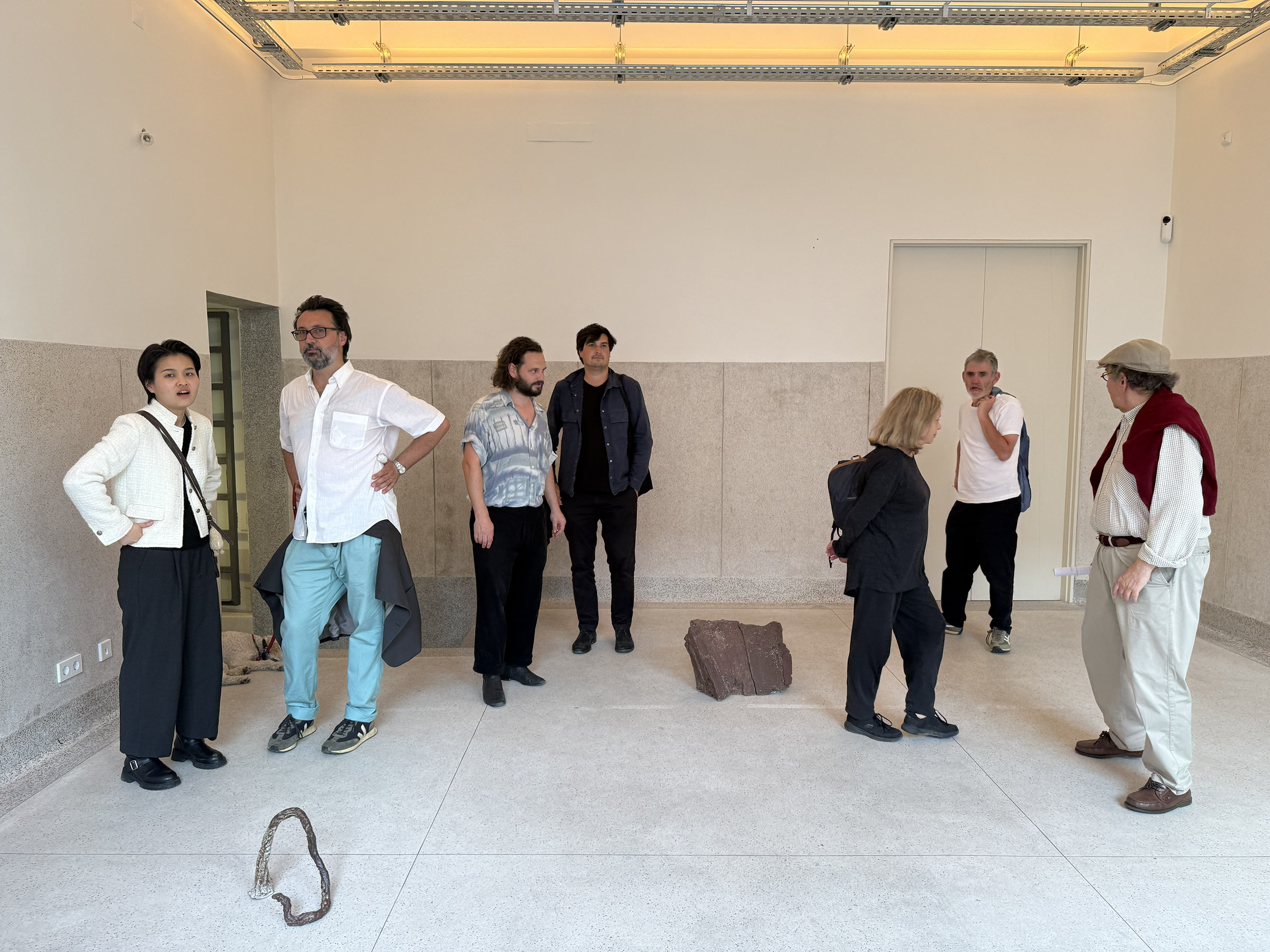
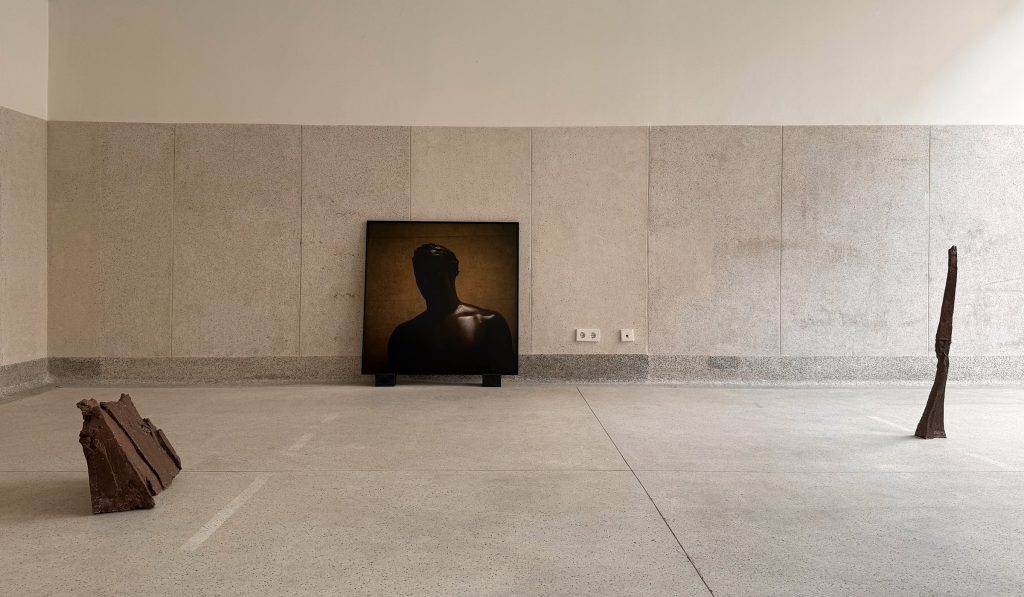
At Space Zero, the venue hosting the first stage of the Dobra, a project in partnership with Appleton (Dobra meaning “Fold” in Portuguese), the exhibition titled Peso brings António Júlio Duarte’s photography into dialogue with Manuela Falcão’s ceramics, uniting two distinct practices that share a common attentiveness to light, form and time.
António Júlio Duarte’s photographic language reveals a precision in its ability to present small everyday moments, allowing the image to take shape in
a slower, more contemplative rhythm. Through restrained framing, a highly specific use of artificial lighting and a distinctly physical relationship with environments and objects, the images create a tension between proximity and distance.
There is, however, something unexpected in the photography presented here. For an artist whose visual language often relies on the frontal force of the flash, this dialogue with light seems to shift. The usual intensity gives way to a low, almost diffuse and fatigued luminosity. Photographed in 2022, a bronze bust dating from 117 to 138 CE slowly emerges from the shadow, depicting a laurel-crowned man. Discovered in 1646 during an archaeological excavation, it was on display in a gallery at the Capitoline Museums in Rome. This photograph begins with an object that has already passed through multiple states: it has been bronze, a face, a ruin, an archaeological find, a museum piece, and finally an image. Centuries accumulated on an oxidised surface, leaving us unsure whether we are looking at a portrait or simply a body shielded by the vulnerability from which it emerges. This bust thus ceases to belong entirely to history, entering instead a kind of visual anonymity.
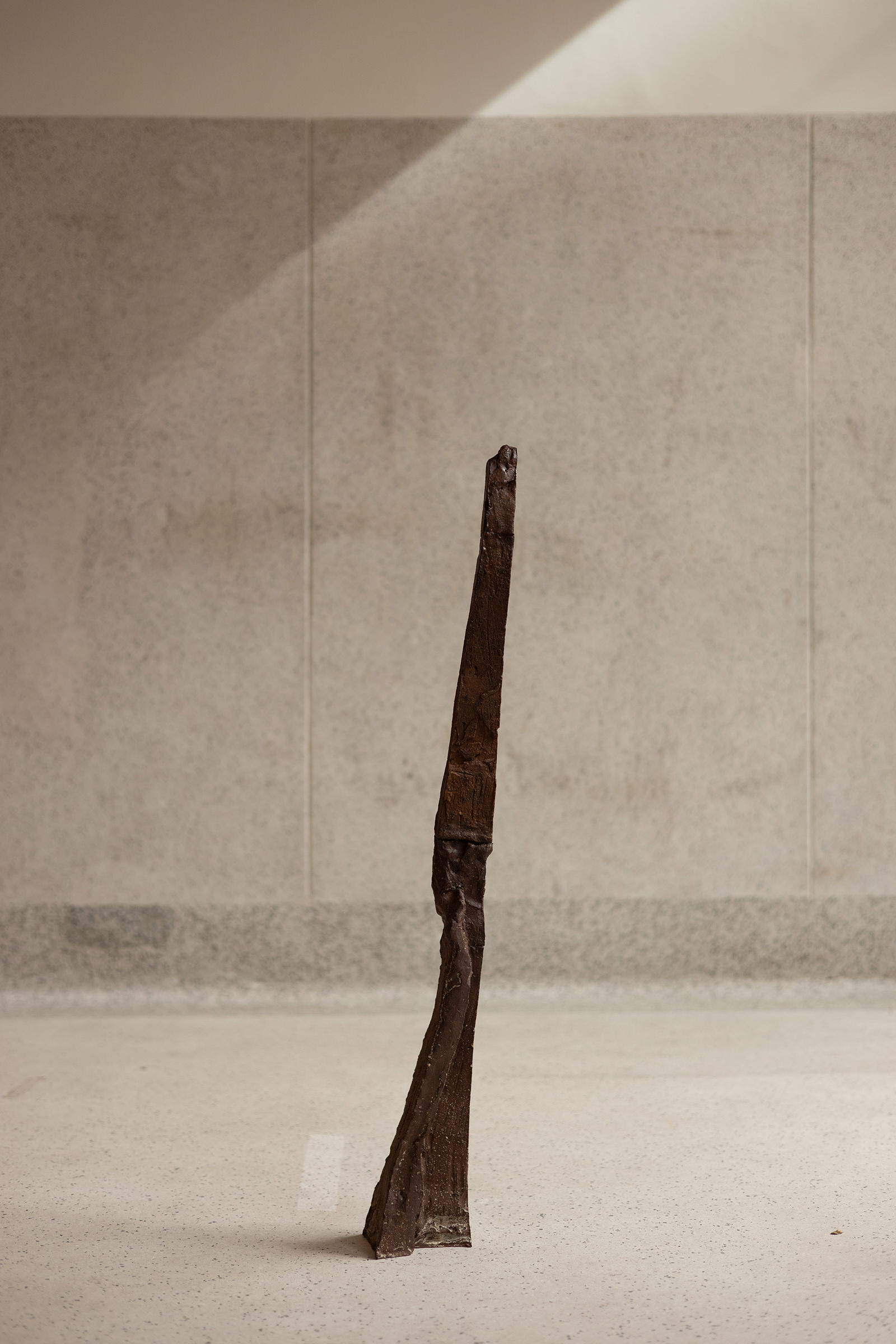
It is precisely within this Dobra, between revelation and opacity, that Manuela Falcão’s sculptures find a common ground. Her ceramics absorb light, as if holding something back. It is distributed unevenly, hesitates, lingers in certain points and fades in others, evoking living organisms or artefacts of no precise origin, with no claim to a past and no fixation on
a definitive present. They exist as unstable matter, as surfaces that seem to have absorbed traces of erosion, pressure or sedimentation. Rather than being shaped solely through intuitive and experimental processes, these pieces give the impression of having slowly emerged from the earth, carrying a weight tied to physical and accumulative time.
The textures reveal a highly tactile, almost epidermal dimension: fissures, densities, porous or vitrified zones, almost metamorphic, all resisting absolute clarity. They convey the sense of having undergone a continuous transformation, like stones shaped by water or elements that still retain traces of heat and pressure, from which subtle chromatic mutations arise, allowing each piece to hold a physical memory.
In Peso, what we see oscillates. As in the photograph, there is here too a refusal of sharpness as evidence, and perhaps it is for that reason that the encounter with the image feels so natural: the earthy tones of the ceramics draw close to the tonalities that reveal a human presence, creating a chromatic complicity that situates them within the same subterranean environment, where a discreet telluric quality rises to the surface.
The ground then takes on a decisive importance. It embodies a departure from the logic of frontal contemplation, inviting a proximity defined by the condition of the trace, requiring visitors to lower their bodies and engage with the works in a more gravitational way. There is something archaeological in this gesture. And it is in this small, involuntary spatial inflection that the experience of Peso is discreetly shifted, revealing a conceptual continuity between these two artistic practices.
Everything seems heavier, closer to gravity, to falling, to discovery, and to raw matter.
In Dobra, that relationship is essential: the encounter between António Júlio Duarte and Manuela Falcão happens precisely because their works remain distinct, yet within the space they begin, subtly, to share the same territory of imminence.
Perhaps, in the end, this exhibition exists only in that interval – between what we see and what is still to emerge from the shadow.
Dobra, created and curated by Rita Baleia, is a cycle of exhibitions dedicated to contemporary photography and its expanded possibilities. In collaboration with Space Collectors and the Appleton Associação Cultural, the project stems from the need to shift photography away from its traditionally two-dimensional nature and from the exhibition logic that fixes it as an autonomous image. Here, the aim is for photography to present itself as relational material, capable of inscribing itself in space and summoning other artistic practices into an installation-based action. Photography is understood here as a territory of articulation between image, space, and temporality, ceasing to be an end in itself to become
an operative element, in dialogue with sound, performance, sculpture, design, architecture, and gastronomy, among other disciplines.
Throughout the exhibition program, the space is transformed into a place of experimentation, where two artists from different fields are invited to share the same space. This collaboration is treated as an opportunity for creative cross-pollination, in which thought and practice develop simultaneously. The cycle also includes a meeting and conversation between
the artists, conceived as an extension of the working process, with a date to be announced.
Dobra also seeks to give visibility to emerging artists, both national and international, placing them in dialogue with established creators. In this way, photography remains the central axis of the project, which expands through these interdisciplinary relationships, questioning its status as a document, memory, dimension, archive, or object. What is proposed is a reading
of the image as something unstable, in constant negotiation with the context in which
it is inscribed.